


Bringing Japanese Tradition Forward; Koto Covers
Switching Styles is bringing you Koto Covers. Cover songs are original compositions that are altered in some way, often by changing bands, genres, or instruments. In this case, these songs have been covered on the Koto.
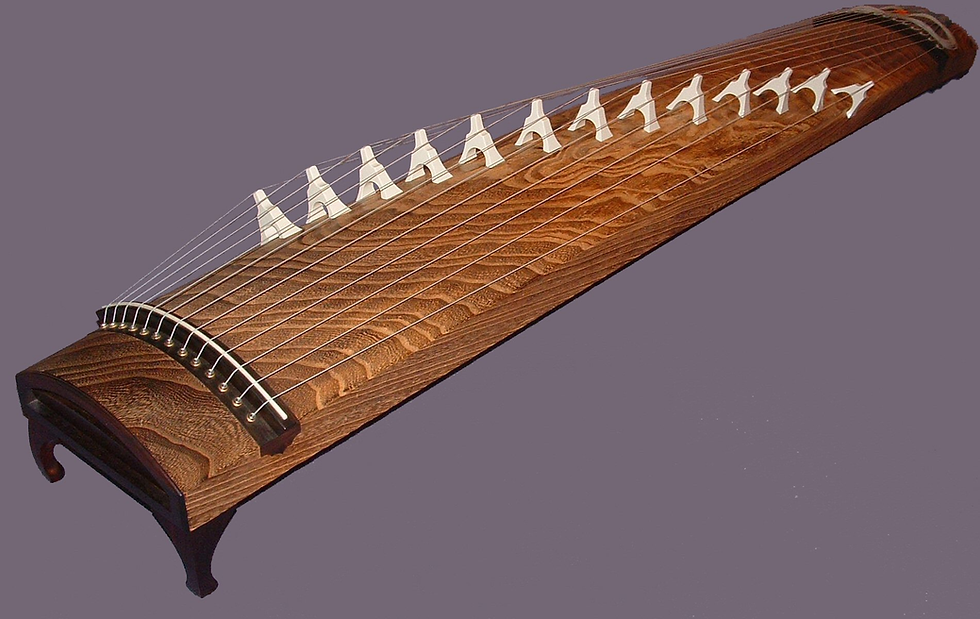
Introducing Koto
The Koto, which is also known as kin, is the official instrument of Japan. This string instrument, usually made of paulownia or Kiri wood, consists of 13 silk strings and is approximately 190 cm or 74 inches long. As a zither, its strings are of the same length as its soundboard. Other types of zithers include the Alpine Scheitholt, Lyre, Lute, Viol, and Hammered Dulcimer.
The Koto, a Japanese stringed instrument, drew inspiration from the Chinese guzheng with its initial five strings. As time passed, the number of strings on the Koto increased to 12 and later expanded to 13. During the early Nara period (710–784), the Koto made its way to Japan. The Koto has 12 or 13 strings made of silk, whereas its cousin, the Guzheng, has 21 metal strings.
Originally, Koto was a generic term used for Japanese stringed instruments during the Nara period. However, as years went by, many different names for diverse instruments grew to be. The Koto that we know today would be unrecognizable to the people of the Nara period. The Koto has evolved over time, and it is now a prominent instrument in traditional Japanese music.

The modern Koto comes from gakusō, which is primarily used in Japanese court music. The performer kneels or sits on the floor while playing the Koto, even in live concerts. Its soft and enchanting sound is beautiful, as you can hear below.
“The is a unique Japanese musical instrument. It has a history in Japan of over 1200 years and today does much to represent Japan’s traditional past,” writes Henry Johnson.
Koto Cover Songs
Musicians such as June Kuramoto, Reiko Obata, Elizabeth Falconer, and Yukiko Matsuyama bring the Koto to modern music. However, they’re not the only musicians who provide koto music in a contemporary context. Cover musicians like the ones below do precisely that.
TRiECHOES feat. DJ Shota‘s cover of ‘Shape of You’ originally by Ed Sheeran
Shaku8kozan‘s cover of ‘Telephone’ originally by Lady Gaga
Fernando Neves‘s cover of Sadness and Sorrow Originally from Naruto

Sources Used
Encyclopedia Britannica. (2020). . [online]
“Hugo’s window on the world of Chinese Zheng.” Chime. Leiden: European Foundation for Chinese Music Research. 16–17: 242. 2005.
Johnson, Henry (1996). “A Koto” by Any Other name: Exploring Japanese Systems of Musical Instrument Classification”. Asian Music. 49: 38–64.
Johnson, Henry (2004). . Amsterdam: Hotei Publ.
Landis, Brendan (2008) Koto [Photograph] Newstead Montegrade, Boston, Massachusetts: Flickr



.png)
.jpg)

.png)
Comments