Featuring Adan Meza
Updated: Apr 1
As a proud Latinx, Chicago native, and pre-service teacher, he didn’t start out as a musician.
“I didn’t consider myself a musician,” he explained. Although he was friends with many musicians growing up, it never quite stuck with him.
Until one day, it did.

Adan is a relatively new musician. Adan began playing music about 2-3 years ago. It wasn’t until 2015, that he started creating music. Starting his music career 2 – 3 years ago, he’s gained online traction with the band “Almost There But Not Really” between 2017. He’s shined as their bassist.
Recently, he left them to focus on his projects. He learned more about himself and more about the art of music itself.
Adan M. Music Key Projects to Date
Current projects that he’s working on include continuing his studies at the University of Illinois Chicago, as well as teaching bass to music students. As a bassist teacher, he’s bringing a lot of experience and expertise to the next generation of musicians.

Though Simbi, he’s teaching people from all around the world with topics including proper playing technique, the names of notes on the fretboard, practicing short basslines and finally digging into the scales. Using Ariane Cap’s Music Theory for the bass player as a base, he brings his expertise and simple music theory to each lesson.
As a bassist, he considers it an important part of any song. There is a difference between the guitar and the bass. For the rhythm of a song, “bass and drums are so monumental.”
Adan Meza’s Academic Journey
Bass lessons aren’t the only thing that Meza does with his time. Meza brings forth his experience and his heritage into all his projects. He has quite a range of experience beyond that of a musician with experience as a debate coach at Chicago public schools, a volunteer assistant at neighbourhood schools program at the University of Chicago and a graduate student that studied international studies at the University of Chicago.
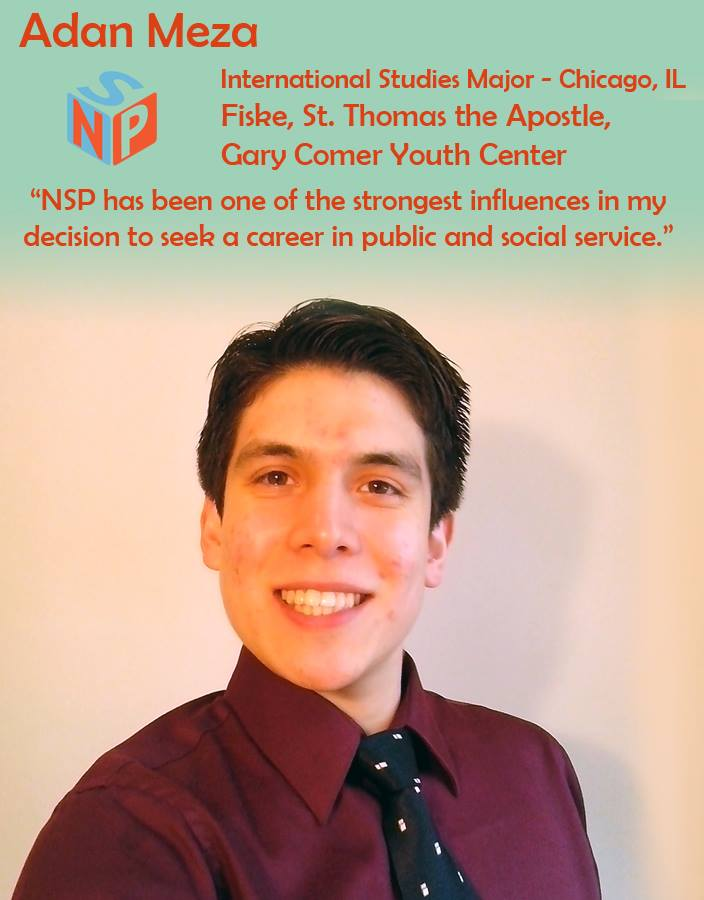
Adan is a dedicated graduate student at the University of Illinois Chicago, where he is pursuing a degree in the College of Liberal Arts and Sciences. His passion lies in becoming a high school history teacher within Chicago Public Schools (CPS). Adan's academic interests include modern Spanish politics, the Cold War, and Mexico-U.S. trade relations. He believes in the importance of fostering cultural engagement among his students, encouraging them to explore various perspectives on history.
Outside of his studies, Adan has a vibrant artistic side. He plays bass in a band, showcasing his musical talents and love for performance. His involvement in music not only serves as a creative outlet but also enriches his teaching approach, as he often draws connections between historical events and contemporary cultural expressions. This unique blend of interests helps him create a dynamic learning environment for his students.
In addition to music, Adan enjoys performing stand-up comedy, participating in small shows around the city. This hobby allows him to connect with audiences in a different way, using humor to engage and inspire. Adan’s diverse interests and talents contribute to his overall mission: to educate and mentor the next generation, fostering critical thinking and cultural awareness through both history and the arts.


Comments