The Voice Behind Norway’s Tonic Breed: Patrik Kvalvik Svendsen Q&A
Patrik Kvalvik Svendsen, the force behind Norway’s Tonic Breed, has carved out a distinct space in modern metal by blending heavy riffs, melodic hooks, and a collaborative spirit that keeps his sound evolving.
What began as a traditional band has transformed into a one-man project driven by Svendsen’s songwriting vision, brought to life through a rotating cast of respected guest musicians.
Patrik Kvalvik Svendsen Q&A
In this interview, Svendsen opens up about his creative process, the patience behind his music, and the realities of balancing artistry with the demands of the industry.
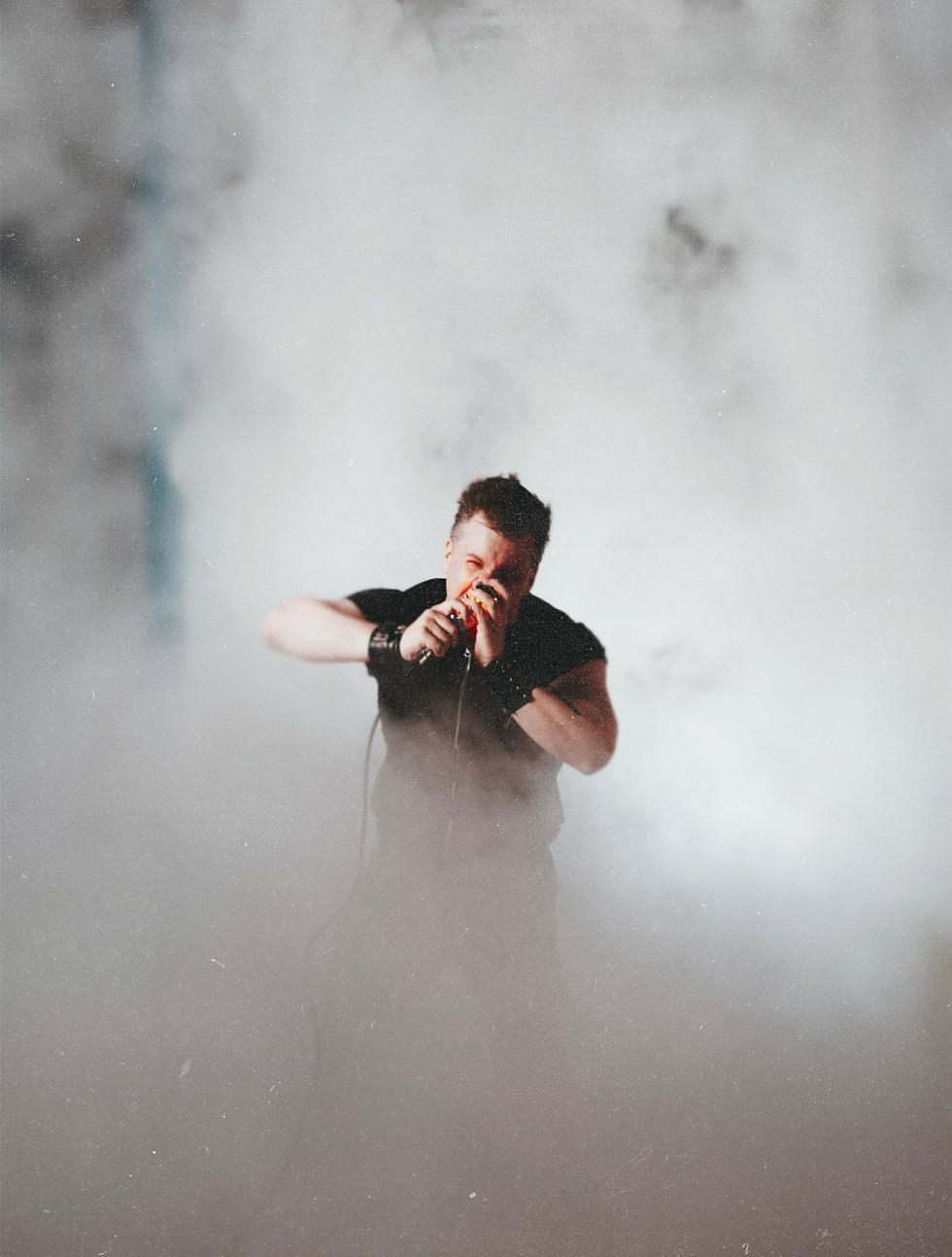
Tell us, where did it all start?
It started in Sarpsborg, Norway. Like most things, it was pretty simple in the beginning: riffs, rehearsals, and trying to make heavy music that felt like my own. Tonic Breed started as a band, but over time the format changed. Now it works more naturally as a one-man project, where I build the songs and bring in the right people when the song needs it.
What was the spark that got everything started?
I think the spark was just wanting to make the kind of music I wanted to hear myself. Heavy, melodic, direct, and not too polished around the edges. I have always liked songs that have a strong riff and a hook but still feel a bit dark or uneasy.
What’s a surprising fact about you that fans might not expect?
Maybe that I can sit on songs for a very long time. Close In was around in different forms for about 20 years before I finally released it. I do not think every idea needs to be rushed out just because it exists.
Or that I'm a huge fan of synthwave.
Or that you see me in an official Pantera music video.
How would you describe your sound or style to someone who’s never heard your work before?
Hard rock and metal with big riffs, strong choruses and some darker edges. There are some old-school rock and metal in there, but the production and the way I build the songs is more modern.
What artists, experiences, or moments shaped your current style?
A lot of classic rock and metal shaped the foundation. At the same time, I have always liked contrast: heavy parts against more melodic parts, simple riffs against bigger arrangements, and songs that can be both direct and a little dramatic.
Can you walk us through your songwriting or production process?
It always starts with a riff. Sometimes a melody. Then the chorus becomes a verse. Or the verse becomes a bridge. On Anew, Chris Adler made the call on making the outro an intro. There's no defined line here. But one thing is constant: On every song, the lyrics is written after the entire song structure is done.
Do you prefer collaborating with others or working solo?
Well, new era Tonic Breed is based on collaborations. For songwriting, I usually do everything myself, but for performance, I always invite guests to participate in the songs.
What’s something you’ve learned about your own voice or instrument that changed how you write?
I tend to overcomplicate ideas, but I’ve learned that I can be just as satisfied with simple solutions. 'Name Dealer' is a good example; the song structure is very basic, but I think it holds up just as well as the more complex songs I've written.
What does a “good day in the studio” actually look like for you?
A good day is when something moves forward for real. Maybe the chorus finally works, maybe a bad part gets removed, or maybe a guest sends something back that makes the song better than it was yesterday.
What’s on your current playlist?
Right now, my playlist is full of music from Tommy Aldridge and Joel Hoekstra's careers. I listen to a lot of music by my guest artists to get in the zone during the songwriting process.
What’s one piece of gear or software you can’t live without?
My Line 6 HX Stomp is with me wherever I go. Handy little thingy.
When do you know a song is finished?
When I've listened to it a hundred times, and I cannot find anything that would bother me in the song ten years from now.
How much of your personal life makes it into your lyrics?
In a way, it happens now and then, even though the lyrics aren't directly about it. It's woven into the songs.
How do you handle creative block when it happens?
Keep writing! Keep going. Even though the outcome suck. Just finish it. It might turn out badly, but that might spark inspiration for a new song later down the line.
What’s been your proudest moment in your career so far?
The two latest EP's, Fuel the Fire and Name Dealer. All the names on there... Still cannot believe so many great artists wanted to join these releases.
What were some of the biggest challenges you faced early in your career?
Keeping momentum. Still is the biggest challenge.
What’s a part of the music business actually takes up most of your time?
Except making music: Marketing. And I don't even run a TikTok.
What advice would you give to emerging musicians?
Surround yourself with people pulling in the same direction as you. Don't waste your time with people with completely different ambitions as yourself, more or less.
What kind of legacy do you hope to leave in the music world?
I do not think too much about legacy. That can get a bit too grand. I want Tonic Breed to leave behind songs that feel real and worth returning to.
Are there any upcoming projects or collaborations we can be excited for?
Always! Follow Tonic Breed!


Comments