Looking For Song Suggestions.....
Search this site
529 results found with an empty search
- Summer Playlist of Remixes, Medleys, and Covers
Summer parties call for music that keeps the energy high and the vibes fresh. Song Suggestions for your Summer Playlist If you want your summer playlist to stand out, mixing original hits with remixes, medleys, parodies, and covers can bring a new twist to familiar tunes. "Heaven" by Cole Rolland, Halocene, Kristina Schiano, Anna Sentina, Originally by Bryan Adams "Pink Pony Club" by Steam Powered Giraffe, Originally by Chappell Roan "DragulAPT" mashup by DJ Cummerbund, originally by ROSÉ, Bruno Mars, Rob Zombie, The B-52s, Britney Spears, Toni Basil, Rammstein, Randy “Macho Man” Savage, Destiny's Child, The Offspring, and more "Another One Bites the Dust" remix by Wyclef Jean, Pras Michel, Queen, originally by Queen "Follow Me" by Sunset Bros, Originally by Eminem "I Will Survive" by Scott Bradlee's Postmodern Jukebox and Sara Niemietz, originally by Gloria Gaynor "You Don't Know My Mind" by Hugh Laurie, originally by Jimmy Skinner "How It's Done x MIC Drop" Mashup by Joshuel Mashups, originally by HUNTR/X, BTS and Steve Aoki Why Choose Remixes, Medleys, Parodies, and Covers? Original tracks are great, but remixes and covers add variety and surprise. They can: Refresh popular songs with new rhythms or genres Blend multiple hits into seamless medleys for continuous energy Add some humour and personality through parodies Showcase unique vocal or instrumental interpretations in covers This diversity keeps your playlist dynamic and engaging, appealing to different tastes and moods throughout your party.
- Alicia Kayley: The Indigenous Adele Takes Center Stage with Double Debut Singles
Alicia Kayley, an emerging voice in Pop/R&B and Blues/Soul, has made her debut into the music scene with the release of two debut singles, New Beginnings and Don’t Break My Heart. She's recognized as the “Indigenous Adele” by the Ottawa Citizen. Alicia Kayley’s background deeply influences her music. She is a member of the Algonquin and Tahltan Nations and grew up in Ottawa, Ontario. Her Indigenous heritage informs her songwriting and performance style, adding layers of cultural richness to her work. These singles showcase her ability to blend emotional depth with technical skill, setting the stage for a promising career. What to Expect Next from Alicia Kayley The release of New Beginnings and Don’t Break My Heart is just the start. Alicia Kayley has a busy season of live performances ahead, offering fans the chance to experience her music in person. Listeners can explore her music on platforms like Tidal, Deezer, Spotify, Amazon Music, and Apple Music. Following her on social media channels such as Facebook, Instagram, and TikTok will keep fans updated on new releases and upcoming events.
- Summer Themed Cover Songs
Summer has a way of stirring the soul, inviting us to bask in the sun's warmth and the joy of long, carefree days. Crafting the ideal summer playlist is an art - a blend of vibrant covers, soothing beats, and parody lyrics that capture the whimsy and warmth of the summer season. Sharing our Top Summer Songs That Define the Sunny Season When curating a collection of top summer songs, it’s important to consider tracks that embody the spirit of the season. These songs often feature upbeat tempos, catchy hooks, and lyrics that celebrate freedom, love, and the simple pleasures of life. From the infectious beats of pop anthems to the laid-back grooves of indie hits, the diversity in sound mirrors the multifaceted nature of summer itself. Perfect Summer Cover Song Playlist "Kiss From A Rose" by Ray Darwin, Originally by Seal "I Want To Hold Your Hand" by Glen Adams, Originally by John Lennon, and Paul McCartney "You Are My Sunshine" by Kina Grannis, Originally by Jimmie Davis "Don't Stop Believing" by Teddy Swims, Originally by Journey "You Are My Sunshine" by The Dead South, Originally by Jimmie Davis If you’re ready to dive into a curated selection of summer playlist songs, you’ll find a treasure trove of tracks that capture the essence of summer in all its glory. Guitar on the beach, perfect for summer music sessions The Emotional Power of Summer Music Music has an extraordinary ability to capture and amplify the emotions tied to summer. This is especially the case with summer-themed cover Songs. Listening to a summer playlist of summer-themed cover Songs and warm, upbeat tracks can also inspire hope and anticipation for new experiences to come. In the end, the perfect summer playlist is more than just a collection of songs - it’s a celebration of the season’s spirit, a companion for your adventures, and a source of joy that lingers long after the last note fades.
- Eric Alper Festival Questions
Please note: The views discussed in this Q&A are Eric's personally. These sentiments don't directly represent Osheaga, Evenko, or any festival organization directly. These are answered while speaking solely from my own experience working in and around the music industry. Working within the music industry in Canada, Eric has seen the backend of how festivals come together and how they can be a bridge among many different communities. Read below for more answers to the impact of festivals and what they can mean to the music community and surrounding local neighbourhoods. How do festivals contribute to their local communities? Festivals are glue. They turn strangers into neighbours, fill empty squares with sound, and hand a town a reason to be proud of itself. They put local talent on a stage it might never have reached otherwise, draw outside attention and outside dollars, and create the kind of shared memory that knits a place together. Long after the stages come down, that sense of identity lingers. A great festival doesn't just happen in a community; it becomes part of what that community is. What are some common challenges festivals bring to a community? Crowds, traffic, noise, and the strain on parking, transit, and washrooms can wear a town's patience thin fast. The residents who never bought a ticket still live with the road closures and the 2 a.m. singalongs drifting through their windows. The whole thing is a balancing act, keeping the energy sky-high without making locals feel like guests in their own neighbourhood. What opportunities do festivals create for artists, creatives, and local residents? For an artist, a festival slot is three things at once: a stage, a paycheque, and a shot at a brand-new audience that might just become lifelong fans. Creatives of every stripe find work too, from stage designers and sound engineers to muralists, photographers, and food vendors. And the residents? They get to volunteer, perform, sell their wares, or simply soak up the buzz of something genuinely big landing on their doorstep. Everybody gets a piece. What economic impact do festivals have on their host communities? The numbers can be genuinely staggering. Visitors fill hotels, pack restaurants, hail taxis, and clean out gift shops, and every one of those dollars circulates through the local economy several times over. Big festivals routinely pump tens of millions into their host cities in a single week. The ripple effect is the real story; every ticket sold tends to drag a few more dollars out into the streets around it. Do festivals have negative economic effects? They can, and pretending otherwise does nobody any favours. When a festival leans on public money, and the crowds don't materialize, the shortfall lands squarely on taxpayers. Prices for everything from coffee to hotel rooms can spike during festival week, and some year-round businesses get squeezed by the chaos rather than lifted by it. The economics only add up when the planning is clear-eyed and honest about the risks. How do local businesses benefit from festival activity? A festival is a rising tide that lifts the corner café, the record shop, the pub, and the little B&B all in the same weekend. Foot traffic explodes, and the magic part is that first-time visitors often become repeat customers months and years down the road. The businesses that win big are the ones that lean all the way in, with festival specials, extended hours, and a genuinely warm welcome for every stranger who walks through the door. What role do festivals play in creating local employment opportunities? From security guards and stagehands to bartenders, drivers, ticket-takers, and the cleanup crews working at dawn, a festival is a temporary job engine that hums for weeks. A lot of those roles are seasonal, sure, but they offer real income and real experience, especially for students and young people building a résumé. The best festivals go further, building year-round teams and training up local talent that sticks around long after the crowds disperse. What are the biggest changes you've seen in festivals since the pandemic? Audiences came roaring back, but warier, and organizers had to get nimble in a hurry, with flexible refund policies, smarter crowd flow, and contingency plans baked into everything. Costs climbed across the board, from insurance to security to artist guarantees. But the biggest change might be emotional. People value live music more fiercely now than they did before they had it taken away, and you can feel that hunger in every crowd. What hidden costs or challenges come with organizing a festival? The line items nobody in the audience ever sees are the brutal ones: insurance, security, permits, sanitation, accessibility, medical staff, weather contingencies, and artist fees that climb every single year. One bad rainstorm can wipe out twelve months of careful planning in an afternoon. Behind every weekend that looks effortless is a team that quietly sweated a thousand details you were never meant to notice. What does success look like for a festival beyond attendance numbers? Success is a community that wants you back next year. It's the artist who broke through on your stage, the volunteer who found a calling, the local business that just had the best week of its year. It's measured in goodwill, in memories, in the stories people are still telling six months later. Fill every seat and leave folks cold and you’ve failed. Move them, and you've won, whatever the ticket count says. How are festivals addressing sustainability and environmental concerns? The good ones are getting serious about it, with reusable cups, proper recycling and composting, solar power, shuttle programs, and outright bans on single-use plastics. Some now measure their carbon footprint and plant trees or buy offsets to balance it out. Fans increasingly expect nothing less, and honestly, leaving a field cleaner than you found it is just good manners. What trends do you think will define the future of festivals? Smaller, curated, experience-driven events are rising fast right alongside the sprawling mega-fests, and there's room for both. Expect deeper local roots, stronger sustainability commitments, and lineups that actually reflect the diversity of the people in the crowd. The festivals that thrive will be the ones that feel like somewhere specific, not just anywhere with a stage and a beer tent. How is technology reshaping the festival industry? Cashless payments, app-based schedules, RFID wristbands, and dynamic ticketing have quietly rewired the entire experience. Data helps organizers read a crowd, manage flow, and keep people safe in real time. The challenge is using all that tech to smooth out the day without letting screens wedge themselves between fans and the very music they travelled to see. What challenges come with booking international artists for rural or remote Canadian festivals? Distance and dollars, mostly. Travel costs, visas, work permits, and the sheer logistics of routing make it genuinely hard to lure a global act off the beaten path and into a small town. A remote festival often pays a real premium just to get someone in the door. Pulling it off takes relationships, creativity, and a stubborn kind of local pride that refuses to take no for an answer. What policy, funding, or regulatory issues are affecting festivals in Canada? Festivals lean heavily on a patchwork of public grants, and the moment those budgets tighten, the programming is the first thing to feel it. Permits, insurance requirements, and liquor regulations vary widely from province to province, making touring a maze. Stable, predictable arts funding is the single biggest thing that would let Canadian festivals plan years ahead with real confidence. How are current economic conditions impacting festivals and event organizers? Costs are up everywhere, from artist fees to fuel to insurance premiums, while fans are watching every dollar they spend. Organizers are caught in the middle, trying to trim margins without gouging the very audience they depend on. Some smaller festivals simply haven't survived the squeeze, and that's exactly why the ones still standing are worth protecting fiercely. What lessons or advice would you share with first-time festival organizers? Start smaller than your ego is begging you to. Build a great team, plan for the worst weather and the worst-case budget, and treat your community as a partner rather than a backdrop. Look after your artists and your volunteers like family, because they're the ones who'll carry you. And somewhere in the middle of all the chaos, remember to breathe, this is supposed to be fun. Curious about Eric and what he does? He's a Publicist, Music Commentator, and a self-proclaimed Shameless Idealist. Check him out here www.ThatEricAlper.com Eric@ThatEricAlper.com Twitter I Facebook I Instagram I TikTok I Threads I Bluesky I Newsletter
- The Voice Behind Norway’s Tonic Breed: Patrik Kvalvik Svendsen Q&A
Patrik Kvalvik Svendsen, the force behind Norway’s Tonic Breed, has carved out a distinct space in modern metal by blending heavy riffs, melodic hooks, and a collaborative spirit that keeps his sound evolving. What began as a traditional band has transformed into a one-man project driven by Svendsen’s songwriting vision, brought to life through a rotating cast of respected guest musicians. Patrik Kvalvik Svendsen Q&A In this interview, Svendsen opens up about his creative process, the patience behind his music, and the realities of balancing artistry with the demands of the industry. Tell us, where did it all start? It started in Sarpsborg, Norway. Like most things, it was pretty simple in the beginning: riffs, rehearsals, and trying to make heavy music that felt like my own. Tonic Breed started as a band, but over time the format changed. Now it works more naturally as a one-man project, where I build the songs and bring in the right people when the song needs it. What was the spark that got everything started? I think the spark was just wanting to make the kind of music I wanted to hear myself. Heavy, melodic, direct, and not too polished around the edges. I have always liked songs that have a strong riff and a hook but still feel a bit dark or uneasy. What’s a surprising fact about you that fans might not expect? Maybe that I can sit on songs for a very long time. Close In was around in different forms for about 20 years before I finally released it. I do not think every idea needs to be rushed out just because it exists. Or that I'm a huge fan of synthwave. Or that you see me in an official Pantera music video. How would you describe your sound or style to someone who’s never heard your work before? Hard rock and metal with big riffs, strong choruses and some darker edges. There are some old-school rock and metal in there, but the production and the way I build the songs is more modern. What artists, experiences, or moments shaped your current style? A lot of classic rock and metal shaped the foundation. At the same time, I have always liked contrast: heavy parts against more melodic parts, simple riffs against bigger arrangements, and songs that can be both direct and a little dramatic. Can you walk us through your songwriting or production process? It always starts with a riff. Sometimes a melody. Then the chorus becomes a verse. Or the verse becomes a bridge. On Anew, Chris Adler made the call on making the outro an intro. There's no defined line here. But one thing is constant: On every song, the lyrics is written after the entire song structure is done. Do you prefer collaborating with others or working solo? Well, new era Tonic Breed is based on collaborations. For songwriting, I usually do everything myself, but for performance, I always invite guests to participate in the songs. What’s something you’ve learned about your own voice or instrument that changed how you write? I tend to overcomplicate ideas, but I’ve learned that I can be just as satisfied with simple solutions. 'Name Dealer' is a good example; the song structure is very basic, but I think it holds up just as well as the more complex songs I've written. What does a “good day in the studio” actually look like for you? A good day is when something moves forward for real. Maybe the chorus finally works, maybe a bad part gets removed, or maybe a guest sends something back that makes the song better than it was yesterday. What’s on your current playlist? Right now, my playlist is full of music from Tommy Aldridge and Joel Hoekstra's careers. I listen to a lot of music by my guest artists to get in the zone during the songwriting process. What’s one piece of gear or software you can’t live without? My Line 6 HX Stomp is with me wherever I go. Handy little thingy. When do you know a song is finished? When I've listened to it a hundred times, and I cannot find anything that would bother me in the song ten years from now. How much of your personal life makes it into your lyrics? In a way, it happens now and then, even though the lyrics aren't directly about it. It's woven into the songs. How do you handle creative block when it happens? Keep writing! Keep going. Even though the outcome suck. Just finish it. It might turn out badly, but that might spark inspiration for a new song later down the line. What’s been your proudest moment in your career so far? The two latest EP's, Fuel the Fire and Name Dealer. All the names on there... Still cannot believe so many great artists wanted to join these releases. What were some of the biggest challenges you faced early in your career? Keeping momentum. Still is the biggest challenge. What’s a part of the music business actually takes up most of your time? Except making music: Marketing. And I don't even run a TikTok. What advice would you give to emerging musicians? Surround yourself with people pulling in the same direction as you. Don't waste your time with people with completely different ambitions as yourself, more or less. What kind of legacy do you hope to leave in the music world? I do not think too much about legacy. That can get a bit too grand. I want Tonic Breed to leave behind songs that feel real and worth returning to. Are there any upcoming projects or collaborations we can be excited for? Always! Follow Tonic Breed! Learn more about Tonic Breed by checking out their Facebook, YouTube, Instagram, and Spotify.
- Why Advertise with Switching Styles?
Switching Styles is a Canadian-based music and lifestyle blog that delivers consistent, high-quality editorial content rooted in creativity and discovery. Since its launch in 2017, the platform has positioned itself as a source for music lovers seeking content that highlights covers, remixes, emerging artists, and niche cultural insights often overlooked by mainstream outlets. In contrast to platforms driven by algorithms or playlist aggregators, Switching Styles focuses on genuine storytelling and careful curation. This strategy enables readers to form a genuine connection with the content, fostering an atmosphere where sponsored placements feel natural rather than intrusive. Core Brand Strengths: Established credibility with a decade of publishing and audience growth in a competitive digital landscape. Independent ownership ensures editorial integrity and an authentic voice without corporate influence. Deep music knowledge driven by a passionate creator with extensive experience in music writing and analysis. Multimedia capabilities include playlists, embedded videos, and interactive content that enhance brand storytelling. SEO-driven structure designed to maximize long-term discoverability and search performance. Key Differentiators: A strong emphasis on remix culture, covers, and music discovery, providing a niche that is highly engaging and currently underserved. An inclusive editorial approach, showcasing diverse artists, perspectives, and communities. A dedication to authentic promotion where brands are integrated into content rather than presented as disruptive ads. An expanding archive of evergreen content that continues to engage readers well beyond its initial publication. Taking the Next Step Switching Styles offers a variety of advertising formats designed to integrate seamlessly into its editorial environment. These formats prioritize storytelling and user experience, ensuring that sponsored content feels authentic and engaging. Working with Switching Styles is designed to be simple, collaborative, and results-driven. Contact us for More Information Today! Contact Page: Switchingstyles.ca/Contact For Advertising Inquiries, Sponsorships, And Collaborations Social Media Instagram: @Switchingstylesonline Facebook: @Switchingstyles Bluesky: @Switchingstyles.Bsky.Social X (Formerly Twitter): @Styleswitching LinkedIn: Switching Styles Carrd: Switching Styles For More Information For more information about our website and Switching Styles, please visit the following legal pages. Content Disclaimer Land Acknowledgement & Commitment Artificial Intelligence Use Policy & Disclosure Copyright Policy, Privacy Policy, Terms and Conditions, Advertising Options with Switching Styles Cookies Notice and Cookie Policy; and Sponsored Content.
- Decimate MetalFest 2026 Q&A: Valley of Despair
For two days in late June, the Millet Agriplex Arena transformed into a full-scale haven for heavy music fans as Decimate MetalFest 2026 delivered a relentless, high-energy weekend of metal, punk, and rock. Held June 26 and 27 just south of Edmonton, this year’s festival brought together an impressive mix of Canadian and U.S. talent, alongside a community-driven atmosphere that continues to set Decimate apart. The Decimate MetalFest took place this past June. Boy, was it rocking. For those who packed into the arena, the weekend was a blur of crushing riffs, standout performances, and genuine connection. For anyone who missed it, consider this your warning: start planning now for 2027. Valley of Despair is a Canadian metal band from Edmonton, Alberta. Valley of Despair is a Canadian metal band that merges melodic metal, power metal, and thrash. They were nominated for the Breakout West Western Canadian Music Awards in the “Metal & Hard Music Artist Of The Year” category. In 2025, they toured Western Canada with their EP, playing festivals in Armstrong, BC, and Yellowknife, NT. They are now preparing for a festival circuit in Alberta and the Northwest Territories in 2026. Valley Of Despair Q&A Below is an interview with Switching Styles and Valley of Despair about their band, music, and the Canadian Decimate Metalfest, hosted in July 2026. How would you describe the Decimate Festival to someone who’s never heard of it? Decimate is an all-ages music festival with an emphasis on all types of heavy metal music. The festival features new and upcoming bands as well as established touring acts. Come out for a day or stay and camp for the whole weekend; there’s something for everyone. What does it mean for the festival to remain all-ages in today’s metal scene? Many bands are used to playing in 18+ bars and venues. This cuts off an entire demographic from being able to access and experience live music, especially when it comes to heavier genres that don’t often get the same exposure. It’s important that the next generation of musicians and listeners can have those all-ages experiences as they grow up. For kids and teenagers who aspire to be musicians themselves, live music is a big part of that. It’s cool for us to see a kid at a show having a great time and remember that that used to be us. What role do community and local partnerships play in bringing Decimate to life each year? It takes a village to put together an event of this size. Community and local partnerships make it possible. The music community is really people coming together to support the arts, support festivals, performers, and all the moving parts that go into an event. Without community support, these events simply wouldn’t happen! What value do festivals provide that streaming music and social media can’t? Festivals provide an organic, shared experience that connects everyone in the room. There’s something special about a room full of people who are all there to enjoy live music. You don’t get that same sense of community sitting behind a computer. What makes a festival performance unique compared to a standalone show? Festival performances have a different energy than a standalone show. You’re a part of something bigger - and there’s more room to run around on stage! How do festivals help build a sense of community among metal fans? Metal festivals feel like a big community gathering in a lot of ways. You’re there to be a part of something, and everyone in the room has something in common. That’s hard to find in our daily lives sometimes. What opportunities does the festival create for artists beyond performing? Festivals give artists an opportunity to meet other bands, industry professionals, and, of course, connect with new listeners over the weekend. It’s a great way to get more involved in your music scene and make connections we wouldn’t get to otherwise. What are some of the biggest challenges facing independent music festivals today? It’s hard to sustain the costs that go into putting together a festival. Funding can be hard to come by, and inflation costs keep going up. Especially in metal, there’s not as much funding available for artists and for festival organizers. You’re also competing with technology and algorithms that seem to change daily to reach people. What changes have you seen in the festival scene in general since the pandemic? The world has opened up a lot more since the pandemic, but habits have definitely changed. It takes more to pull people out of their comfort zone to attend a festival, and everyone’s budgets are tighter. For those that do come out, though, they support the artists and the events themselves fiercely and with a lot of dedication. There are also a lot more opportunities for volunteers to get involved with their local music communities. What misconceptions do people sometimes have about music festivals? You don’t have to go into mosh pits if you don’t want to; there are plenty of spaces to enjoy watching the bands – and people are generally going to be looking out for each other if you do feel like moshing. Also, there’s the misconception that all bands are there to drink and party – We’re there to play our set, have fun, and go to bed at a reasonable hour! What do you hope attendees take away from this year’s festival? We hope people leave feeling like they connected in some way to the music, the people, and the event itself. The Decimate team has put in a ton of work to make Decimate Metalfest 2026 a success. We hope everyone who leaves can’t wait to come out in 2027! What does success look like for you for Decimate MetalFest in 2026? As artists, we want to put on a show we’re proud of and give 100% on stage. If one person leaves feeling like our music meant something to them, then that’s what this is all about. We’re also incredibly stoked to watch our friends in other bands crush it on stage! Learn more about Decimate MetalFest below: Website: www.decimatemetalfest.com Facebook: @decimatemf Tiktok: @decimate.metalfest YouTube: @decimatemetalfest Instagram: @decimate_mf Learn more about Valley of Despair below: Website: valleyofdespair.ca Facebook: @Valleyofdespairband YouTube: @ValleyofDespairband Instagram: @valleyofdespairband Bandcamp: valleyofdespair.bandcamp.com Spotify
- Impact of Covid-19 on Live Music in Canada
Covid-19’s Impact on Canada’s Live Music has been seen throughout the industry. As the coronavirus situation has unfolded in Canada, Canadians see the impacts that it’s had on the music industry. There have been many impacts on Canada’s music industry directly and indirectly related to the Covid-19 pandemic. This impact is specifically seen in live music performances. The guidelines limiting live music have been lessened in the past weeks. Photo by Tim Mossholder on “Live performances are going to change immensely, even when a vaccine is available. Mosh pits most likely won’t be able to be a thing for a long time. The whole experience will be different for a while.“ said Heather Gunn, a journalist aspiring to write for the entertainment and music industry, “I don’t see live music coming back in a “normal“ way until a vaccine is readily available, and even then, artists and fans will have to take precautions. Concerts, as we know them, will never be truly the same again, or not for a long time at least.“ Alberta’s guidelines impacting live music performances have changed as the pandemic has progressed. Currently, Alberta’s guidelines are loosening up allowing for venues to present bands to perform. Opening up the live music, sector is going to bring much-needed funds into the music industry as Covid-19 has detrimentally impacted musicians financially. “Covid-19 has unfortunately caused a huge shift in the music industry. With the temporary absence of live music, musicians are hurting. It’s quite well known that live music is the biggest source of income for most artists, and that has come to a standstill for the time being.“ explains Gunn. Covid-19 Updated Guidelines We’ve discussed the impact of Covid-19 on live music in Canada. Here’s more information on how to navigate the impacts. Here is a quick list of the updated guidelines to keep staff, volunteers, performers, and patrons safe. Singing along, cheering or yelling is discouraged. Encourage clapping or noisemakers. COVID-19 awareness in the form of signage, posters and information are to be easily accessible and visible including in different languages. Using online or touchless pay options when possible. Ensuring a 4-meter distance between performers and the audience by blocking off thefront two rows of seating, barriers, or signage. Encourage patrons to maintain physical distancing, follow proper hand hygiene, andrespiratory etiquette always with signage or verbal announcements. Consider adjusting spaces accessible to the public to support physical distancing including… Controlling entrance and exits from high traffic areasallowing for staggered entry. Ensuring a minimum 2-meter distance between attendants. Limiting crowded or bottleneck areas with staff, volunteers, or barriers to redirect people that gather in these specific areas. Using markings to encourage physical distance in lines . When possible offer alternatives to in-person attendance like live-streaming or drive-in. Maintain regular cleaning and sanitation of high touch areas. Non-traditional venues such as pop up venues are discouraged because of “difficulty of maintaining appropriate distancing and managing the size of the gathering”. Other non-traditional venues such as outdoor events and drive up events have their own guidelines. Survey of Audience Confidence Its not just musicians that feel the impact of COVID-19 on Live Music in Canada. Audience confidence has been shaken to say the very least, with Half of all Canadians not being comfortable going to a live performance in the states while 32% say it will take at least six months to be comfortable again. Despite the stress and concerns over live music, It’s important to people as shown by research done by Music Canada and Abacus Data as most music lovers will really miss seeing live music. Photo by Rafael De Lancer on As the pandemic continues, our research found that self-identified “live music lovers” now miss live music even more than they did in April. 90% of respondents in this group now say “I really miss going to concerts” — and 89% of this group agree that digital content will never replace the feeling of seeing live music. Erin Benjamin, President and CEO of the Canadian Live Music Association. Reopening live music venues are going to require a lot of work both from the music industry, the Canadian government and the community of music lovers. “What we find interesting about what our research demonstrates is that live music is not going to just disappear. Canadians really miss the experience and want to come back, and we know they will return to venues and shows in time, and when they feel comfortable with others around them,” said Benjamin.
- New Releases to Listen To
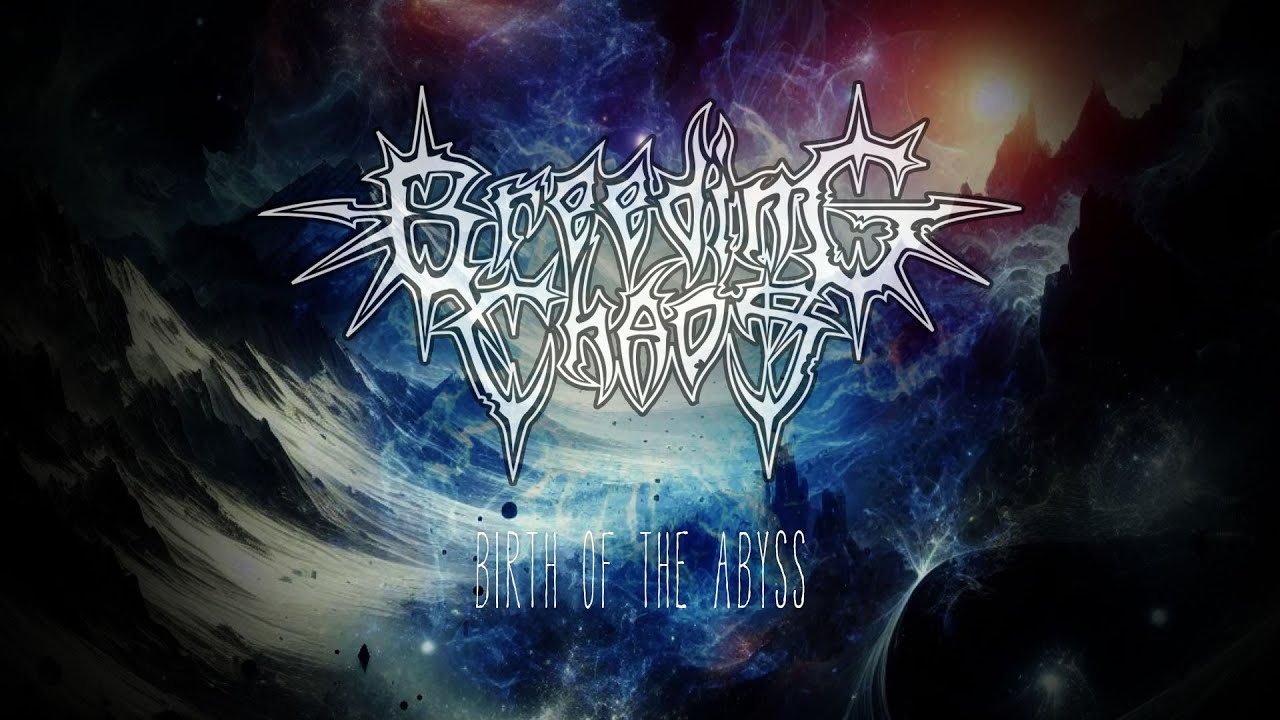
Need some metal releases for some mental release? Check out the heavy songs below. Whether you're discovering new artists or refreshing your playlist, this collection of metal and alternative rock songs highlights a mix of iconic classics, modern favourites, and underrated gems. Artists to keep an eye on include Breeding Chaos, Silka Weil, Bottle Neck, and Voodoo Queen. Whether you're in the mood for high-energy anthems, emotional lyrics, or technical musicianship, there's something here for every kind of rock and metal fan. Keep listening for cosmic death metal, heavy metal, doom metal, blues rock, heavy blues, stoner blues, alt rock, industrial music, and much more metal! From crushing riffs and soaring choruses to melodic ballads and genre-blending tracks, these recommendations span everything from classic heavy metal and metalcore to hard rock, post-hardcore, and alternative rock. #SongSuggestions 'Midnight Blue' by Montréal Alt-Rock Singer-Songwriter Silka Weil "Bright Cage" by French Fuzz Stoner Heavy Blues Rock band Voodoo Queen "Echoes of Life" by Industrial Alt-Rock band Bottle Next "Legion Of The Dead" by French Cosmic Death Metal Band Breeding Chaos Debut Album 'Light the Fire' by Wet'suwet'en Tsimshian Alt-Rock Singer-Songwriter Mercedes Brown Happy Listening!!
- Decimate MetalFest 2026 Recap: Alberta’s Loudest Weekend Returns
For two days in late June, the Millet Agriplex Arena transformed into a full-scale haven for heavy music fans as Decimate MetalFest 2026 delivered a relentless, high-energy weekend of metal, punk, and rock. Held June 26 and 27 just south of Edmonton, this year’s festival brought together an impressive mix of Canadian and U.S. talent, alongside a community-driven atmosphere that continues to set Decimate apart. The Decimate MetalFest 2026 took place this past June, and boy, was it rocking. For those who packed into the arena, the weekend was a blur of crushing riffs, standout performances, and genuine connection. For anyone who missed it, consider this your warning: start planning now for 2027. A Festival Built On Community All ages and backgrounds are always welcome! More than just a lineup, Decimate Metalfest is building its identity as an inclusive, all-ages event focused on accessibility and community. Proudly women-owned and operated, the festival emphasizes safety and warmth for fans of all backgrounds and identities. This spirit was evident everywhere—from the diverse audience on the floor to features that make Decimate especially family-friendly. A kids’ zone with games and colouring was available, and younger attendees enjoyed their moment during the DeciMinis air guitar contest. With a splash park nearby and a relaxed, community-first atmosphere, Decimate shows that heavy music festivals can be both powerful and inclusive. Decimate MetalFest Schedule And Lineup For 2026 There are tons of bands! Rocking the arena on both Friday and Saturday, you’ll hear a versatile mix of metal, rock, and punk. The 2026 lineup includes American acts from Ohio, Wisconsin, Michigan, Colorado, and New York, as well as Canadian acts from BC, Alberta, Manitoba, and Quebec! ⚡ FRIDAY, JUNE 26 ⚡ The Convalescence - 11:55 P.M. - Finish- Deathcore / Death Metal from Ohio, USA Squidhammer - 11:00 P.M. - 11:40 P.M.- Heavy Metal from Wisconsin, USA Anomalyptic - 10:05 P.M. - 10:45 P.M.- Melodic Death Metal from Edmonton, AB Valley of Despair - 9:10 P.M. - 9:50 P.M.Melodic Metal / Power Metal from Edmonton, AB Let it Rot - 8:15 P.M. - 8:55 P.M.- Deathcore from Michigan, USA Godfall - 7:30 P.M. - 8:00 P.M.- Metalcore from Calgary, AB Pollux (Youth) - 6:45 P.M. - 7:15 P.M.- Heavy Metal from Calgary, AB Kilusan - 6:00pm - 6:30pmThrash Metal / Punk from Edmonton, AB ⚡ SATURDAY, JUNE 27 ⚡ Riot City - 11:45 P.M. - Finish- Heavy / Speed Metal from Calgary, AB Famous Strangers - 10:50 P.M. - 11:30 P.M.- Dark & Moody Metal from Sherwood Park, AB Cries Of Blood - 9:55 P.M. - 10:35 P.M.Symphonic Blackened Death Metal from Montreal, QC Lust Dust - 9:40 P.M. - 9:55 P.M.Burlesque Dancer from Calgary, AB No Faith In Fortune - 9:00 P.M. - 9:40 P.M.Deathcore / Metalcore from Vancouver, BC From Beneath - 8:05 P.M. - 8:45 P.M.Deathcore from Winnipeg, MB The Cadavor Dog - 7:10 P.M. - 7:50 P.M.Speed Metal from High River, AB Adult Air Guitar Contest - 6:45 P.M. - 7:10 P.M.Win a REAL guitar! Femmes Voyous - 6:15 P.M. - 6:45 P.M.Pop Punk from Edmonton, AB Thousand Frames - 5:30 P.M. - 6:00 P.M.Metalcore / Hard Rock from Colorado, USA Youth Air Guitar Contest - 5:00 P.M. - 5:30 P.M.Win a REAL guitar! Spineless - 4:30 P.M. - 5:00 P.M.Melodic Blackened Deathcore from Winnipeg, MB Black Friday - 3:45 P.M. - 4:15 P.M.Metalcore from Edmonton, AB Kill the Eclipse - 3:00 P.M. - 3:30 P.M.Punk / Hardcore from Fort Saskatchewan, AB Relic - 2:15 P.M. - 2:45 P.M.Blackened Doom Metal from Edmonton, AB Light Drawn In - 1:30 P.M. - 2:00 P.M.Metal / Rock from Edmonton, AB Kleaver (Youth) - 12:45 P.M. - 1:15 P.M.Death / Thrash Metal from Calgary, AB Desicrate (Youth) - 12:00 P.M. - 12:30 P.M.Thrash Metal from Edmonton, AB ⚡ PERFORMANCES THROUGHOUT THE WEEKEND ⚡ Birthday Girl: Drag Queen / Mistress of Ceremonies from Calgary, AB Harlot Drag Queen Beyond the Bands Throughout the weekend, Decimate continued to offer more than just music. Drag performers Birthday Girl and Harlot kept the energy flowing as hosts and entertainers, adding personality and flair between sets. The festival’s indoor setup made it accessible and easy to navigate, while vendors, merch tables, and artist interactions helped foster a strong sense of connection between fans and performers. It was just as much about community-building as it was about the music itself. Looking Ahead to 2027 With another successful year in the books, anticipation is already building for Decimate Metalfest 2027. The festival’s consistent June schedule makes planning easy, and fans are encouraged to secure time off early and stay tuned for lineup announcements and year-round events. If 2026 proved anything, it is that Decimate is only getting louder, stronger, and more connected with each passing year. Learn more about Decimate MetalFest below: Website: www.decimatemetalfest.com Facebook: @decimatemf Tiktok: @decimate.metalfest YouTube: @decimatemetalfest Instagram: @decimate_mf
- Decimate Metalfest Q&A: Famous Strangers
For two days in late June, the Millet Agriplex Arena transformed into a full-scale haven for heavy music fans. But on Saturday night, all eyes locked in on one of Alberta’s rising acts: Famous Strangers. Taking the stage on June 27 just south of Edmonton, the Sherwood Park-based band delivered a performance that stood out in a weekend already packed with intensity. Famous Strangers carved out space with a darker, more melodic approach. Famous Strangers is a heavy metal band from Sherwood Park, Alberta. Rooted in the classics of the genre while still bringing music for the modern ear. Together, the band brings together four veterans of the Alberta music scene with over 20 years of collective experience. Decimate Metalfest Q&A: Famous Strangers Below is an interview with Switching Styles and Famous Strangers, Amanda Kiernan (lead vocals) and Jeff Kittlitz (guitar), discussing their band, music, and the Canadian Decimate Metalfest hosted in July 2026. The band consists of Amanda Kiernan (lead vocals), Jeff Kittlitz (guitar/backing vocals), Braden Sustrik (bass), and Brian "Beej" Jolly (drums/backing vocals). How would you describe Decimate Festival to someone who's never heard of it? It's held in Millet, Alberta, at the Agriplex arena, and it's a small town, big energy kind of event. Decimate is a festival that welcomes all ages, all genders, all types of humans. It's run by Sloan Voxx, who is a truly incredible person, never mind singer, musician, festival promoter, scene supporter, all of the above. Her band is Syryn. There's a type of metal and music for everybody here. It's a hard rock and metal festival, not country or EDM, so if you like the mosh pit and that sort of thing, this is the festival for you. And there's lots to do. Good food, face painting, massage therapists, cool vendors. There's something for everyone. Even if you arrive not into metal, I guarantee you will find something you love about this festival. What does it mean for the festival to remain all-ages in today's metal scene? It's the most important thing. We have to keep the next generation in the know. That's how new bands start, that's how kids get inspired to want to be in bands. You can already see it, all-ages shows producing all these new young bands who are just killing it, kicking ass. These festivals are really important so that those young bands can play, or even just attend and get inspired. What role do community and local partnerships play in bringing Decimate to life each year? It's everything. When people wake up after the first night and go looking for a coffee, a good breakfast, a sandwich, the community supports that. There are great places that welcome everyone. I think when everybody works together, it's a win for everybody. The town has been really open and understanding of what Sloan and Decimate are doing, and fully supportive of it. Unity is always stronger than separation. And it's word of mouth too, because people from the town get to enjoy the festival as well. That's what makes these small town festivals so special. Just look at Loud as Hell in Drumheller, or Armstrong, BC, these events bring people in, they bring tourism and money into the community. The towns would be silly not to support it. What value do festivals provide that streaming music and social media can't? Everything. Social media helps, absolutely, and a lot of blood, sweat, and tears from everybody, not just the bands but the promoters, the venues, the fans, goes into building that online presence. But that's the whole point of a concert: you go out to a show ,and you experience it. Everybody in one space, one love, one energy. The value of that is unmatchable to anything. Like, you're not watching something on your phone or your TV. Nowadays everybody still has their phone out recording the show, sure, but you're in it. There's something about live energy that no technology will ever replace. We're fortunate that it helps us in some ways, but it will never replace that live feeling, that love, that unity that happens in a room full of people who came for the same reason. You never come home from a show saying, that was awful." You always come home glad you did it. What makes a festival performance unique compared to a standalone show? Festivals are my favorite, because it's the only time that you, as a musician, actually get to see all the other bands. People you've played with, people you know about, friends in other bands. It's the one place where everyone comes together and actually hangs out, because most of the time schedules are different and you don't get to tour with a lot of your friends. Even if you do, it's usually a one-off show. At a festival, not just the fans but the bands all come together. You get to hang out with each other, watch each other up on stage, party together all night, and meet your people, and I don't like to call them fans, I call them friends, and party with them all fucking weekend. A one-off show is great for connecting, but it happens so fast, and then everybody goes home. At a festival , you're in it. You build great memories, lifelong friends. It's like being on the road with somebody. The relationship that develops is like nothing else. It's really special. How do festivals help build a sense of community among metal fans? When you go to a festival, especially these smaller ones, the small town ones, the fans actually get to hang out with the bands. Like, hang out with all the bands. Of course there are VIP areas sometimes, but usually most bands are out in the field with everybody. It's a really cool opportunity to meet up with your favorite band, spend some real time with them. It brings people together, and it grows the metal family. The metal community is massive, and it's worldwide. These festivals help with exposure, for the bands and the fans and the friendships. It's a scene that takes care of itself when you give it the right space to do that. What opportunities does the festival create for artists beyond performing? It's great exposure, first of all. You never know who's going to show up to that festival who's never seen you before. You get new fans, new experiences. A festival experience as a performer is much different than a one-off bar show. There's a certain energy and a certain level of musicianship that comes with it. You get to know your own band better. You get to know other bands better. You get to engage with fans, sell merch, check out vendors. There's always a band or a vendor you've never heard of that you'll discover at a festival. Beyond just playing, it creates so much more opportunity. It's pretty neat. What are some of the biggest challenges facing independent music festivals today? Keeping in budget and selling tickets at a price people will actually show up for, while still not losing money. Everything is just so challenging right now. The market value of anything in entertainment, especially for smaller and newer festivals, is brutal. I've heard people say, and read it in multiple places, that most festivals lose money in their first three to five years. It takes that long to build. And I don't doubt it, seeing all the work that goes into it and knowing what production actually costs. It ain't easy. The fact that they can do it at all is something. And another challenge worth adding is finding dependable bands, and knowing what to do when bands drop off. Travel issues, personal issues, anything can happen. You need to have a Plan A, B, and C for all of it. Keeping people fed and watered and safe, providing real security, creating a safe space for everyone, that's another layer that people don't think about. It's a lot. People don't realize what it actually takes to put on a festival. What changes have you seen in the festival scene in general since the pandemic? I feel like a lot of people don't want to leave their house anymore, which is understandable. So even getting people out to a hometown show is like pulling teeth now. And on top of that, everything's so expensive. Everything. The world just isn't the same. It's almost like we hopped into a different dimension after the pandemic. Getting people together and getting them to come out is hard. But one of the good things is that we appreciate it more. I'll never forget Loud as Hell when festivals opened back up. That first year back, everybody was on a tear. I think we almost felt like it was the end of the world before that, so when it came back, it was like a release. Everybody was trauma bonding and partying like it was the last night on earth. It was a wild, wild time. But that's what it does. It makes you live in the moment. And we're pushing through. We're still here. What misconceptions do people sometimes have about music festivals? I think logistics can throw people off. Set times, who's playing when, where to go for drink tickets versus what wristband you need for which area. That stuff can get confusing, and it's hard to communicate all of it to everyone at once. That's the question I get asked most: what time are they on? So I think making sure people know where to find that information would go a long way. And on the experience side, you definitely have to make your own fun, because weather gets in the way and you can't predict anything. Be prepared because a big windstorm, rain, snow, whatever, it can happen. Going from a hot afternoon to a freezing cold night is real. On social media it all looks fabulous, and it is fabulous, it's worth every bit of it. But when I went to Shambhala, we slept overnight in the lineup in the heat and the cold. It's not luxurious. It's kind of like a travel day when you're traveling: challenging in the moment, but you're always glad you did it. What do you hope attendees take away from this year's festival? I hope Decimate keeps going, because they have worked their asses off each year to make this happen. I hope it grows the way I've watched other festivals grow from small beginnings into something bigger and bigger each year. I hope attendees bring all their friends and talk about how much fun they had. I have a good friend coming to their very first festival ever, and I'm so excited for them. You never know quite what to expect your first time, but I hope everyone leaves with their cup overflowing. That's what music is supposed to do. I hope it hypes them up, gets them ready for the next one, and makes them book more trips and attend more festivals. I just hope it does all the good. What does success look like for you for Decimate Metalfest in 2026? We're just happy to play. We're happy to be there. The fact that we get to play direct support on the Saturday night, right before Riot City, is an honor. I love those guys. That slot means something. It makes me really proud of what we've done and where we're going. Just wait, 2026 has a lot of great things coming for Famous Strangers. And success for me is simple: if I can make one person smile out in that crowd, that's everything. We just want to spread love. If one person comes up after and says, that was amazing, you made me feel good, that's all we ever want to do. Is there something you wanted to share that I didn't ask? To everyone out there: look around and find as many festivals as you can, however small or big they might be. The smaller ones are often more intimate and special. The big ones are epic, of course. But support your local bands, support your local festivals. It's always a good time. I know it can sound scary, especially now with social anxiety being so real for a lot of people, but find your nook. If you need to take a break, go to your tent and reset. Go for a little nature walk. You're not stuck on the grounds. Find your local festivals, or go on a trip and find them. Big or small, go attend them. Support the bands, support the vendors, because there was a lot of time, money, and planning that went into every single one of these events. The only way they continue to grow is yby ou showing up. Get out there this summer, even just for a day pass. Explore and see what happens. It doesn't have to be a metal festival. There's so much cool stuff out there to experience. If you actually look up what's going on around you, or even outside your city, or outside the country, the world opens up. Get out of the house. Get into the fucking nature with your people, or even go alone if you have to. Festivals are a great place to connect and feel the energy. That's where life is. Learn more about both the band and the festival! Learn more about Decimate MetalFest below: Website: www.decimatemetalfest.com Facebook: @decimatemf Tiktok: @decimate.metalfest YouTube: @decimatemetalfest Instagram: @decimate_mf Learn more about Famous Strangers below: Website Facebook TikTok: @famousstrangersband YouTube: @Famousstrangersband Instagram: @famousstrangersband Spotify
- Song Releases Playlist For Summer 2026
Check out this song release playlist with music released this July. Each genre brings its own flavor and vibe, making it a perfect companion for any occasion, whether you’re hosting a summer gathering, enjoying a road trip, or simply looking to discover new favorites. Enjoy and let us know which one is your favourite on this playlist. With artists like Myles Lloyd, Ethan Askey & The Elevators, Our Last Night, Montuno Cubano, Gentlemen of the Woods, and so many more talented musicians, this playlist features a diverse lineup that highlights both emerging and established talents in the music industry. "Break Up In Reverse"by Teddy Swims "Unwritten" rock cover by Our Last Night, originally by Natasha Bedingfield "Worst Kind of Weather" by Gentlemen of the Woods "Big Bad Bossman" by soulful blues band Ethan Askey & The Elevators "Baila Mi Guaracha" by Montuno Cubano "One Sided" by R&B artist Myles Lloyd "Manew" by Ethiopian Canadian Artist Rawmny Wildcat